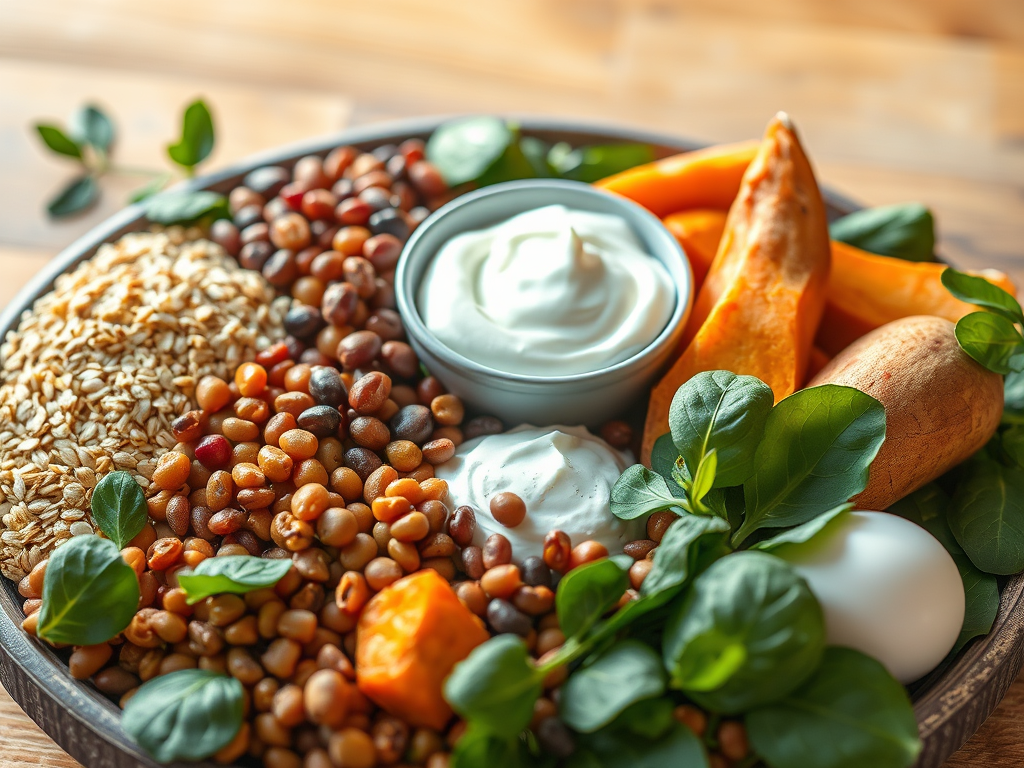
Eating well as we age is essential for staying active, maintaining energy, and keeping our bodies strong. However, it doesn’t have to cost a fortune. Some trendy superfoods can be expensive. There are plenty of affordable options that offer amazing benefits. These are perfect for seniors looking to boost their health on a budget. Here are ten nutrient-packed, affordable superfoods every senior should consider adding to their diet.
Recommended Reading:
Healthy Eating, A Seniors Guide
Helpful Strategies For Seniors On A Budget
1. Oats
- Why they’re great: Oats are packed with fiber, especially beta-glucan, which can help lower cholesterol levels and support heart health.
- How to use them: Enjoy oats as a warm breakfast, add them to smoothies, or even use them in baking. Try overnight oats for a quick, ready-made breakfast.
- Cost-saving tip: Buy oats in bulk; they store well and are very affordable per serving.
2. Beans and Lentils
- Why they’re great: Beans and lentils are full of plant-based protein, fiber, and important nutrients like iron and magnesium. They help maintain muscle health and stabilize blood sugar levels.
- How to use them: Add them to soups, stews, salads, or make simple bean dips. Canned beans are convenient, but dry beans are even more cost-effective.
- Cost-saving tip: Soak and cook dry beans in bulk, then freeze them for easy meals later on.
3. Sweet Potatoes
- Why they’re great: These bright orange gems are loaded with beta-carotene, which is great for vision health. They also contain fiber, which supports digestion and can help prevent constipation.
- How to use them: Bake, mash, or roast sweet potatoes as a side dish, or try them in soups. They’re naturally sweet and satisfying.
- Cost-saving tip: Buy sweet potatoes in bulk—they store well and are often cheaper by the bag.
4. Spinach
- Why it’s great: Spinach is high in iron, calcium, and vitamins A and C. It makes it a fantastic green for supporting bone health, immunity, and skin.
- How to use it: Toss spinach in salads, blend it in smoothies, or add it to pasta dishes and omelets.
- Cost-saving tip: Frozen spinach is an affordable option that lasts longer and works well in cooked dishes.
5. Eggs
- Why they’re great: Eggs are packed with high-quality protein, vitamins D and B12, and choline, which supports brain health.
- How to use them: Scramble, boil, or poach eggs for a quick meal. They’re versatile enough for breakfast, lunch, or dinner.
- Cost-saving tip: Eggs are generally affordable and provide excellent nutrition for their cost. Buy in bulk if you eat them often.
6. Greek Yogurt
- Why it’s great: Greek yogurt is high in protein and probiotics, which support digestive health and can boost immunity.
- How to use it: Enjoy Greek yogurt with berries and a drizzle of honey. This makes a delicious snack. You can also use it as a base for smoothies.
- Cost-saving tip: Buy large containers instead of individual cups for a better price per serving.
7. Sardines
- Why they’re great: Sardines are an inexpensive source of omega-3 fatty acids, which are good for heart and brain health. They’re also rich in calcium and vitamin D, supporting bone health.
- How to use them: Add sardines to salads, eat them on toast, or mix them into pasta dishes.
- Cost-saving tip: Canned sardines are very affordable and can be bought in bulk for pantry storage.
8. Berries (Frozen)
- Why they’re great: Berries are rich in antioxidants, which can help fight inflammation and support brain health. They also add a natural sweetness to meals without added sugar.
- How to use them: Add frozen berries to smoothies, oatmeal, or mix them into yogurt. They’re delicious and easy to use straight from the freezer.
- Cost-saving tip: Frozen berries are often cheaper than fresh and retain most of their nutrients.
9. Carrots
- Why they’re great: Carrots are high in beta-carotene, an antioxidant that’s beneficial for eye health. They’re also a great source of fiber.
- How to use them: Eat them raw as a snack. Roast them. Add them to soups and stews for added sweetness.
- Cost-saving tip: Carrots are usually inexpensive year-round and stay fresh for weeks in the fridge.
10. Nuts (Almonds or Walnuts)
- Why they’re great: Nuts are packed with healthy fats, protein, and fiber. Walnuts are particularly good for brain health due to their omega-3 content, while almonds are great for heart health.
- How to use them: Eat a small handful as a snack, add them to salads, or sprinkle them over yogurt.
- Cost-saving tip: Buy nuts in bulk, and store them in the fridge or freezer to keep them fresh longer.
Final Tips for Affordable Healthy Eating
Staying healthy doesn’t have to break the bank. Small adjustments can make these superfoods even more affordable:
- Buy in bulk: Grains, beans, and even nuts are often cheaper per serving when bought in bulk.
- Opt for store brands: Generic or store-brand products are often just as nutritious but come at a lower price.
- Choose frozen when possible: Frozen fruits and veggies are usually less expensive and retain their nutrients.
Incorporating these ten affordable superfoods into your diet can be a game-changer for your health. They are budget-friendly. They’re also loaded with the nutrients you need to stay strong and vibrant at any age!




Leave a Reply