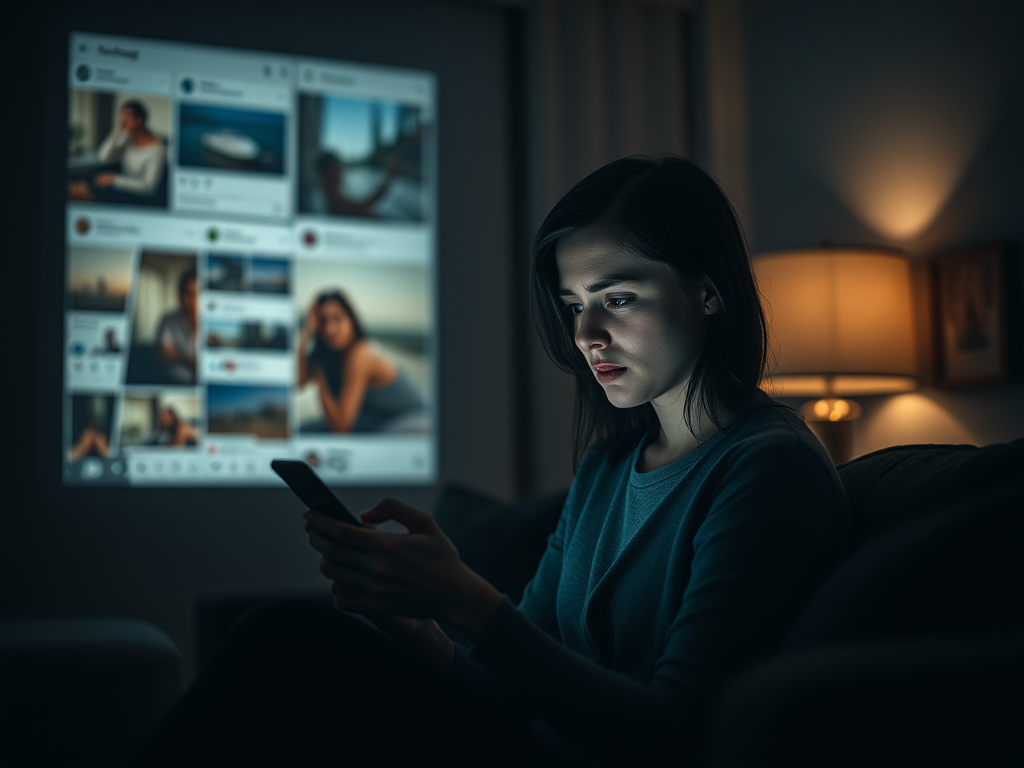
Social media’s become a part of everyday life for most of us. A quick scroll on Instagram, a meme here, a video there, and we’re connected to a world of content. But, have you ever wondered what all this scrolling is doing to your mind? Beyond the cute cat videos and family vacation snapshots, social media imposes a hidden toll on your mental health. Let’s dive into how and why social media impacts our well-being, and more importantly, how we can regain some control.
Recommended Reading:
Disconnected: Breaking Free from Social Media Addiction
1. The Comparison Trap: Who Has It Better?
One of the biggest ways social media affects mental health is through constant comparisons. We often see influencers living in luxury. Friends also post about new achievements. It’s hard not to compare our lives to what we see. This habit can quickly lead to:
- Feelings of inadequacy – When you constantly see people “living their best lives,” it’s easy to think you’re falling behind.
- Low self-esteem – Repeatedly comparing yourself can chip away at your confidence and self-worth.
- Anxiety and depression – People who spend more time on social media tend to have higher levels of anxiety. Studies have shown this correlation. Research also indicates that these individuals often experience higher levels of anxiety. They also tend to experience more depression due to constant comparisons.
Remember, most people only post their highlights, not the full picture. Learning to recognize this is a big step in breaking free from the comparison trap.
2. FOMO (Fear of Missing Out): The Anxiety That Never Quiets
FOMO is real, and social media has a lot to do with it. When we see friends hanging out without us, it can trigger that anxious feeling of missing out. This fear can cause:
- Stress and anxiety – You may feel pressured to keep up, even when it’s not possible.
- Overcommitment – FOMO often leads to saying “yes” to plans, even when you’re exhausted, just to avoid feeling left out.
- Distraction and dissatisfaction – Constant FOMO can make you feel less satisfied with what you’re doing. You’re always wondering what you’re missing out on.
One way to combat FOMO? Limit your time on social media and focus on what you’re doing in the present moment.
3. The Pressure of Perfection: The “Perfect Life” Illusion
Filters, editing apps, and carefully curated feeds create a standard that’s almost impossible to reach in real life. The need to look and be “perfect” can lead to:
- Body image issues – Constant exposure to edited images can distort your perception of beauty and self-worth.
- Pressure to conform – Social media can make you feel like you need to look a certain way. It can also make you feel like you need to act or live a certain way to be accepted.
- Burnout – Trying to keep up with this “perfect” image is exhausting. It can lead to burnout and emotional fatigue.
A useful trick to break this cycle? Follow more people who promote body positivity and authenticity. Consider taking a break from accounts that make you feel less than.
4. Doomscrolling: Overloading Your Mind with Negative News
The endless stream of bad news, controversial opinions, and heated debates can make anyone feel mentally drained. Known as “doomscrolling,” this habit can result in:
- Increased anxiety – Constant exposure to negativity can heighten your anxiety levels and make you feel hopeless.
- Sleep disturbances – Scrolling late at night, especially through stressful news, can affect your sleep patterns and quality.
- Mental fatigue – Your brain gets exhausted by the constant intake of information, especially if it’s negative.
To avoid doomscrolling, set boundaries for your social media time, especially before bed. Instead, focus on positive or neutral content in your downtime.
5. Addiction to Social Validation: The “Like” Button Effect
Social media platforms are designed to keep you engaged. The rush you feel from getting likes, comments, and shares is part of that strategy. But the need for social validation can be risky:
- Lower self-worth – Relying on likes for confidence can make you dependent on external validation.
- Mood swings – When a post performs well, you’re happy; when it doesn’t, you’re disappointed.
- Addictive behavior – That “like” rush can be addictive, pushing you to check social media constantly.
To regain control, try to spend time on activities that bring you joy, regardless of external approval. Over time, you’ll feel less dependent on those little red notifications.
So, What Can You Do? Tips for Protecting Your Mental Health
Social media doesn’t have to be a negative experience. With a few mindful changes, you can use it in a way that’s healthier. This approach can also make it more positive. Here are some simple ways to start:
- Set time limits – Apps like Instagram and TikTok allow you to set daily usage limits. Stick to them!
- Curate your feed – Follow accounts that make you feel good, inspire you, or add real value to your life.
- Take breaks – A digital detox, even just for a weekend, can do wonders for your mental clarity.
- Engage mindfully – Think about why you’re posting or commenting. Are you looking for validation, or are you genuinely interested?
- Focus on the positives – Use social media to connect, learn, and grow, instead of comparing or competing.
The Bottom Line: Balance Is Key
Social media is neither all good nor all bad. It’s a tool, and like any tool, it’s all about how you use it. Be mindful of how it impacts your mental health. This way, you can enjoy the positives while protecting yourself from the negatives. Balance is key. And remember, the most important validation you need is your own!




Leave a Reply