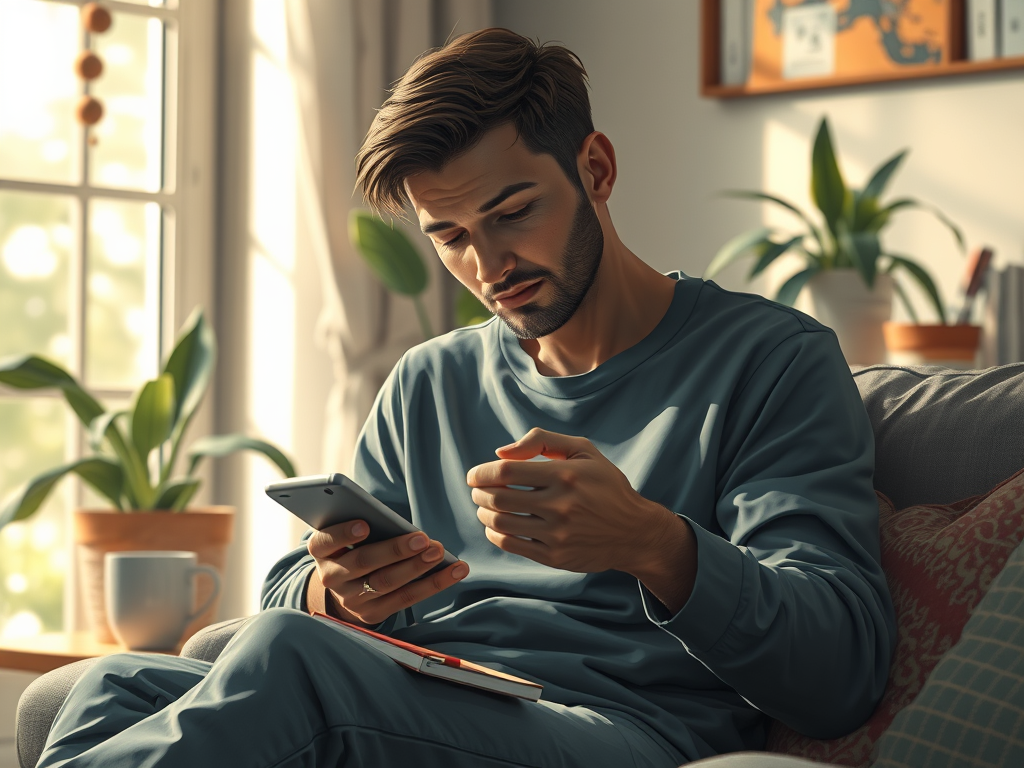
Let’s be honest—most of us are glued to our phones. We check notifications and scroll through reels daily. We often fall down a rabbit hole of cat videos. Social media has become a major part of daily life. But have you ever noticed how you feel after a long scrolling session? If you’ve found yourself feeling anxious, overwhelmed, or even a little down, you’re not alone.
Social media and anxiety are more connected than you think. While these platforms can be a great way to stay in touch, they also come with some sneaky side effects. Let’s dive into how scrolling is stressing you out—and what you can do about it.
Recommended Reading:
Disconnected: Breaking Free from Social Media Addiction
The Hidden Triggers of Social Media Anxiety
Social media wasn’t designed to make you anxious, but it can often feel that way. Here’s why:
- Comparison Culture: It’s easy to compare your life to the highlight reels people post online. Seeing others’ seemingly perfect vacations, relationships, or accomplishments can make you feel like you’re falling short.
- Information Overload: Constantly consuming news, opinions, and updates can overwhelm your brain. You feel like you need to stay up-to-date, but too much information can leave you mentally exhausted.
- Fear of Missing Out (FOMO): If you’re scrolling through pictures of events or trips you weren’t invited to, you might feel left out. It can also make you feel unimportant.
- Endless Notifications: Every ding and buzz pulls your attention, making it hard to focus on anything else. This constant interruption can lead to heightened stress levels.
Why Scrolling Makes You Feel Anxious
Social media taps into your brain’s reward system. Every like, comment, or share triggers a small dopamine release, giving you a temporary boost of happiness. The problem? That happiness is short-lived, and it can leave you wanting more. Over time, this cycle can increase feelings of dependency and stress.
Additionally, the blue light from screens can disrupt your sleep patterns, especially if you’re scrolling late at night. Poor sleep can amplify feelings of anxiety, creating a vicious cycle that’s tough to break.
Tips to Reduce Social Media Stress
The good news? You don’t have to swear off social media completely to feel better. A few mindful changes can make a big difference:
- Set Boundaries
Limit your scrolling to specific times of the day. For example, avoid using your phone during meals or before bed. - Curate Your Feed
Follow accounts that make you feel inspired or happy. Unfollow or mute accounts that spark negative emotions. - Take Breaks
Try a “digital detox” by taking a day or weekend off from social media. Use that time to focus on hobbies, exercise, or connecting with loved ones in person. - Practice Mindful Scrolling
Before opening an app, ask yourself: “Why am I doing this? How will it make me feel?” Being intentional can help you avoid mindless scrolling. - Use Tools
Many apps now have screen time trackers or “focus” modes. Use these features to limit your usage and take control of your time.
Reconnect With What Matters
Social media isn’t inherently bad—it’s all about how you use it. Set boundaries and be intentional. You can reduce the stress it causes. Focus on what really matters: living your life in the moment.
So, the next time you catch yourself endlessly scrolling, pause and check in with yourself. Your mental health will thank you.




Leave a Reply