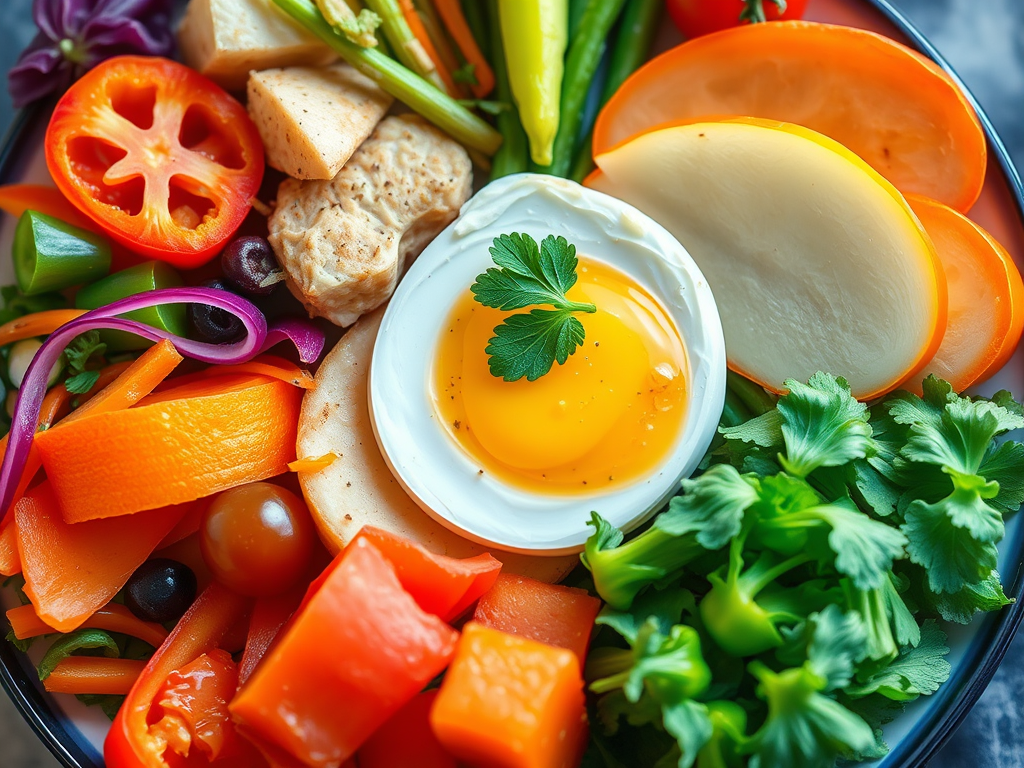
When it comes to living your best life, what you eat plays a huge role. Food isn’t just fuel—it’s information for your body. Every bite you take sends messages to your cells about how to perform, repair, and grow. So, getting the basics of nutrition right isn’t just about looking good. It’s about feeling good. It’s also about staying energized and building long-term health. Let’s dive into the essentials of a balanced diet and how it can set you up for optimal health.
Recommended Reading:
Holistic Healing: Natural Remedies for a Healthier You
Why Nutrition Matters
Your body is a powerhouse. Every second, it’s performing complex tasks to keep you alive and thriving. Good nutrition provides the raw materials for these processes. Think of nutrients like building blocks. Without the right materials, your body can’t work at its best.
Some key benefits of solid nutrition include:
- Better energy levels: Say goodbye to mid-afternoon slumps.
- Stronger immunity: A well-fed body fights off illness better.
- Improved mental clarity: Food fuels your brain, too!
- Reduced risk of chronic diseases: Diet is your first line of defense against conditions like diabetes and heart disease.
The Basics of a Balanced Diet
There’s no one-size-fits-all solution when it comes to food, but some principles apply to everyone. Here are the foundational pillars of good nutrition:
1. Macronutrients: The Big Three
Your body needs three main macronutrients in the right balance:
- Carbohydrates: These are your primary energy source. Opt for whole grains, fruits, and vegetables instead of refined sugars.
- Proteins: Essential for repairing tissues and building muscles. Lean meats, fish, beans, and nuts are great options.
- Fats: Don’t fear fat! Healthy fats, like those in avocados, nuts, and olive oil, are critical for brain health and hormone production.
2. Micronutrients: The Small but Mighty Players
Vitamins and minerals might be needed in smaller amounts, but they pack a punch. Make sure you’re getting:
- Vitamin D: For strong bones and a healthy immune system.
- Iron: To prevent fatigue and support oxygen transport.
- Magnesium and potassium: For heart and muscle function.
3. Hydration: The Forgotten Hero
Water is life. Staying hydrated helps regulate your temperature, support digestion, and maintain energy levels. Aim for at least eight glasses a day, and more if you’re active or live in a hot climate.
How to Build a Healthy Plate
A balanced meal doesn’t have to be complicated. Follow this simple formula:
- Half your plate: Colorful veggies and some fruits for fiber, vitamins, and antioxidants.
- A quarter of your plate: Protein, like grilled chicken, tofu, or legumes.
- A quarter of your plate: Whole grains, like quinoa or brown rice.
- Add healthy fats: A sprinkle of nuts, seeds, or a drizzle of olive oil.
Practical Tips for Eating Well
1. Plan Ahead
Life gets busy, and fast food can be tempting. Meal prepping ensures you have healthy options ready to go. Cook in batches and store portions in the fridge or freezer.
2. Read Labels
Learn to spot hidden sugars and unhealthy fats in packaged foods. If you can’t pronounce an ingredient, think twice about eating it.
3. Practice Mindful Eating
Slow down and savor your meals. Paying attention to your food can help prevent overeating and improve digestion.
4. Listen to Your Body
Cravings and energy dips might signal missing nutrients. For example, if you’re always tired, you might need more iron or vitamin B12.
Small Changes, Big Results
You don’t need to overhaul your entire diet overnight. Start with small, sustainable changes:
- Swap sugary drinks for water or herbal tea.
- Add an extra serving of veggies to your meals.
- Replace white bread with whole grain options.
Over time, these small steps add up to big health benefits.
Final Thoughts
Food is one of the most powerful tools you have to support your health. By focusing on the basics—balancing your macronutrients, incorporating micronutrients, and staying hydrated—you’re giving your body everything it needs to thrive. Remember, nutrition isn’t about perfection; it’s about consistency. Start where you are, make gradual improvements, and celebrate your progress along the way.
Your body will thank you for it.
What’s one small change you can make today to improve your nutrition? Share your thoughts below—I’d love to hear from you!




Leave a Reply