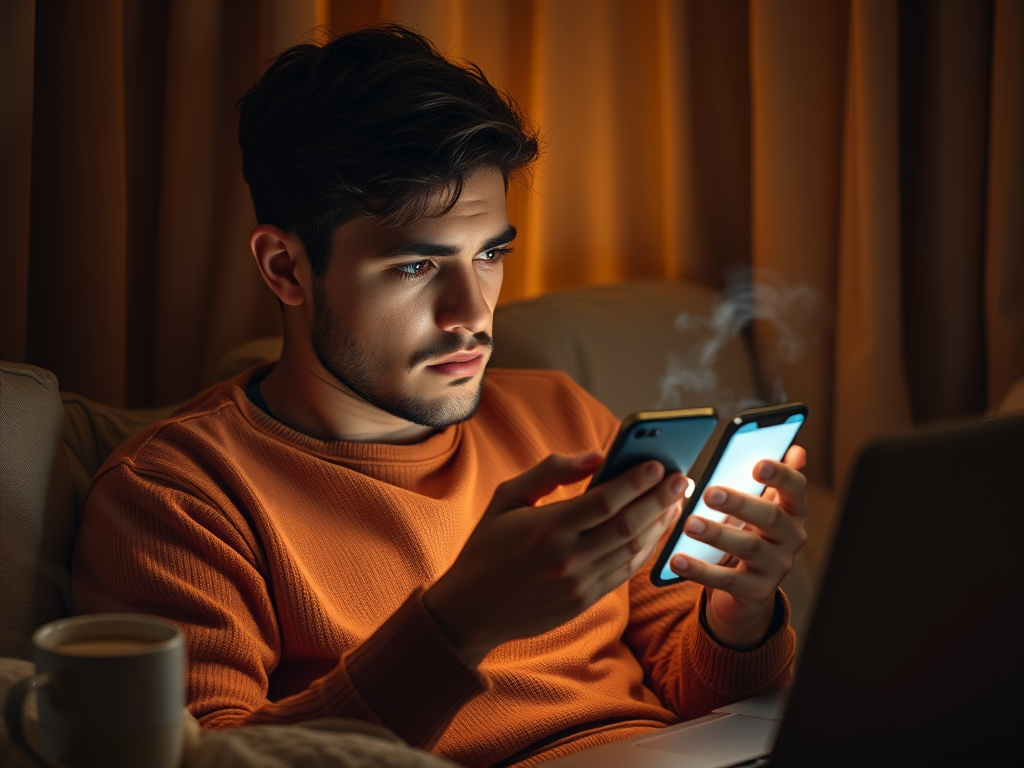
Social media has woven itself into nearly every aspect of our daily lives. We scroll while sipping our morning coffee, during breaks at work, and even before falling asleep. But beneath the memes, selfies, and viral videos, there’s a deeper truth. Social media can have a profound impact on your mental health. This often happens without you realizing it. Let’s discuss the emotional red flags. They might be signaling that it’s time to reassess your relationship with your favorite apps.
Signs You May Be Overusing Social Media(Opens in a new browser tab)
1. Comparing Yourself to Highlight Reels
Do you ever scroll through someone else’s posts and feel like your life doesn’t measure up? Social media gives us access to a carefully curated version of other people’s lives. Their vacations, perfect family photos, and career wins are often the highlights—not the full story.
Red Flag: Feelings of inadequacy or envy after spending time online.
Action Step: Remind yourself that social media is a highlight reel. Focus on your own achievements and celebrate small wins in your life.
2. Doomscrolling and Anxiety
If you’ve ever spent hours scrolling through bad news or distressing posts, you’re not alone. Doomscrolling—a tendency to consume endless amounts of negative information—can lead to increased anxiety and even a sense of hopelessness.
Red Flag: Feeling anxious, overwhelmed, or hopeless after reading newsfeeds.
Action Step: Set boundaries on when and how long you engage with news online. Opt for trusted sources and take breaks when needed.
3. FOMO (Fear of Missing Out)
FOMO is a sneaky emotional trigger that thrives on social media. Seeing friends at a party you weren’t invited to can create a sense of exclusion. Coworkers celebrating without you can lead to feelings of inadequacy.
Red Flag: Feeling left out, resentful, or lonely after seeing others’ posts.
Action Step: Reframe your mindset. Not everything online is what it seems, and your worth isn’t tied to being part of every event.
4. The Validation Trap
Likes, comments, and shares can feel like mini dopamine hits. But when you start chasing validation from others online, it can quickly turn into a toxic cycle.
Red Flag: Feeling down or questioning your worth if a post doesn’t perform well.
Action Step: Post content that makes you happy, regardless of how it’s received. Practice self-compassion and affirm your value offline.
5. Neglecting Real-Life Relationships
Ever find yourself scrolling through Instagram instead of listening to a friend or partner? Over time, this habit can weaken your real-world connections.
Red Flag: Feeling distant or disconnected from loved ones due to excessive online time.
Action Step: Schedule tech-free time during meals, conversations, or quality moments with friends and family.
6. Sleep Disruptions
The glow of your screen at night might be costing you quality sleep. Scrolling before bed can keep your mind active and make it harder to wind down.
Red Flag: Trouble falling or staying asleep due to late-night screen time.
Action Step: Create a digital bedtime routine. Turn off devices at least an hour before sleep, and try reading or meditating instead.
Why It’s Okay to Take a Step Back
It’s easy to feel like you need to be online 24/7 to stay connected or relevant. But stepping back from social media doesn’t mean cutting it out completely—it’s about finding balance. Pay attention to how you feel before, during, and after using social media. If the emotional red flags we’ve discussed resonate with you, consider taking a break or reevaluating your habits.
Practical Tips to Build a Healthier Relationship with Social Media
- Set Screen Time Limits: Many apps have built-in tools to track and limit usage.
- Unfollow or Mute Accounts: If someone’s posts make you feel bad, it’s okay to unfollow or mute them.
- Create Boundaries: Designate specific times for social media use, like 30 minutes in the evening.
- Practice Gratitude: Focus on the positive aspects of your life instead of what you feel is missing.
- Engage Meaningfully: Comment, share, or connect with intention, rather than mindlessly scrolling.
Final Thoughts
Social media isn’t inherently bad—it’s how we use it that makes the difference. Recognize the emotional red flags. Take proactive steps. By doing so, you can protect your mental health. At the same time, you can still enjoy the perks of staying connected. Remember, it’s okay to prioritize your well-being over your online presence. After all, the best moments in life often happen offscreen.
What emotional red flags have you noticed in your social media habits? Share your thoughts in the comments! Let’s start the conversation.




Leave a Reply