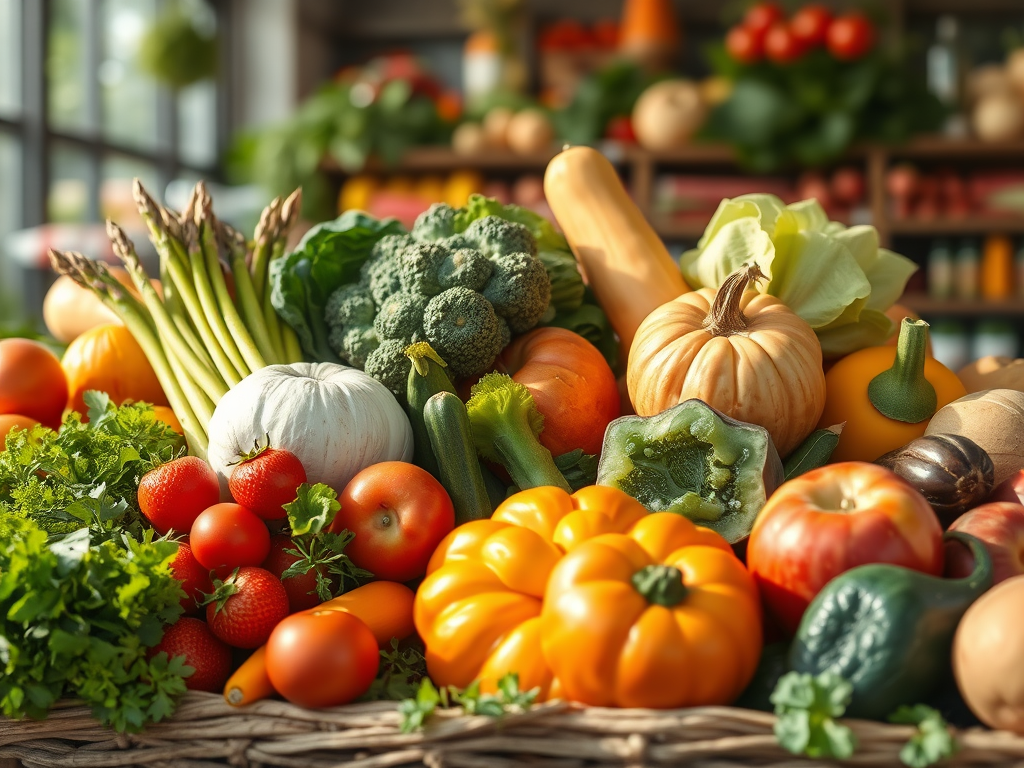
Eating fresh, nutritious food doesn’t have to break the bank—especially for seniors on a fixed income. One of the easiest ways to save money and enjoy delicious, healthy meals is by eating with the seasons. Seasonal eating means choosing fruits and vegetables that are naturally in abundance during specific times of the year. Not only is it good for your wallet, but it’s also great for your health and the environment.
Let’s dive into how seasonal eating works. We will also share tips to help you save. Meanwhile, you can fill your plate with nature’s best.
Recommended Reading:
Healthy Eating, A Seniors Guide
Smoothie Diet
Helpful Tool:
Weekly Meal Planner
What Is Seasonal Eating?
Seasonal eating is about aligning your grocery shopping with the natural growing cycle of produce. Fruits and veggies taste better when they’re in season because they’re fresher, often grown locally, and harvested at their peak. Think of juicy strawberries in summer or hearty squash in winter.
When foods are “in season,” there’s more supply, which means lower prices. Foods that are out of season have to travel long distances, which increases costs—and reduces freshness.
Why Seasonal Eating Saves You Money
- Lower Prices: Foods in season are often priced lower because there’s more of them available. For example, winter greens like kale or cabbage tend to be much cheaper during cooler months.
- Local Deals: Seasonal produce is often grown closer to home, reducing transportation costs and supporting local farmers. Many farmer’s markets or smaller stores offer better prices for in-season produce.
- Avoid Expensive Imports: Out-of-season foods are often imported, making them far pricier. Why pay double for a tomato in December when you can savor it at its peak in summer?
- Bulk Savings: When produce is abundant, you can buy in bulk and freeze or preserve items for later. This stretches your food budget even further.
Smart Grocery Tips for Seniors on a Budget(Opens in a new browser tab)
Seasonal Produce Guide for Seniors
Here’s a quick breakdown of some fruits and vegetables that are typically in season each time of year:
Spring
- Vegetables: Asparagus, peas, radishes, spinach, and lettuce
- Fruits: Strawberries, rhubarb, and citrus (leftover from winter)
Tip: Try making a simple spinach and strawberry salad for a refreshing, budget-friendly dish.
Summer
- Vegetables: Tomatoes, zucchini, cucumbers, corn, and green beans
- Fruits: Watermelon, peaches, cherries, blueberries, and cantaloupe
Tip: Stock up on peaches and berries to freeze for smoothies or oatmeal later in the year.
Fall
- Vegetables: Squash, sweet potatoes, Brussels sprouts, carrots, and beets
- Fruits: Apples, pears, cranberries, and grapes
Tip: Roast sweet potatoes and carrots for an easy, hearty side dish that stretches a meal.
Winter
- Vegetables: Kale, cabbage, cauliflower, broccoli, and root vegetables (like turnips and parsnips)
- Fruits: Oranges, grapefruits, and pomegranates
Tip: Make a cozy cabbage soup or enjoy oranges as a low-cost, vitamin-packed snack.
Smart Shopping Tips for Seniors
Eating seasonally doesn’t have to be complicated. Here are some simple tips to make it easy and affordable:
- Shop Local
Visit farmer’s markets or look for “locally grown” signs at your grocery store. Local produce is fresher and often cheaper when it’s in season. - Plan Your Meals
Check what’s in season and build your meals around those ingredients. A little planning goes a long way toward saving money and avoiding food waste. - Buy in Bulk and Freeze
When prices drop on seasonal produce, stock up and freeze extras. For example, freeze fresh blueberries in summer for winter baking. - Preserve with Canning or Drying
Consider learning simple preservation methods like canning, pickling, or drying. Turn those fall apples into applesauce or pickle cucumbers in summer. - Look for Sales
Keep an eye out for weekly grocery store flyers and discounts on in-season produce. Many stores drop prices when there’s a surplus of fresh items. - Choose Frozen or Canned Options When Necessary
If fresh produce is too pricey, choose frozen or canned versions. These are often more affordable, still nutritious, and available year-round.
Benefits Beyond Saving Money
Seasonal eating isn’t just about savings. It also:
- Tastes Better: Fresh, in-season produce has more flavor and nutrients.
- Improves Nutrition: Seniors benefit from the vitamins, minerals, and antioxidants in fresh fruits and vegetables.
- Supports Your Community: Buying local helps small farmers and your local economy thrive.
- Reduces Environmental Impact: Less travel means fewer emissions and a healthier planet.
A Seasonal Eating Challenge: Start Small
Ready to give seasonal eating a try? Start small:
- Pick one or two in-season veggies or fruits on your next grocery trip.
- Use them in a simple recipe like a salad, roasted side dish, or smoothie.
- Notice the difference in taste and savings.
For example, in spring, whip up a fresh asparagus stir-fry. In summer, enjoy sweet watermelon slices for dessert instead of costly out-of-season treats.
Final Thoughts
Seasonal eating is a win-win for seniors. By choosing produce that’s naturally abundant, you save money, enjoy fresher flavors, and boost your health. Start small, explore local options, and make the most of nature’s changing bounty throughout the year.
Healthy eating doesn’t have to be expensive—it just takes a little know-how and a willingness to shop with the seasons.




Leave a Reply