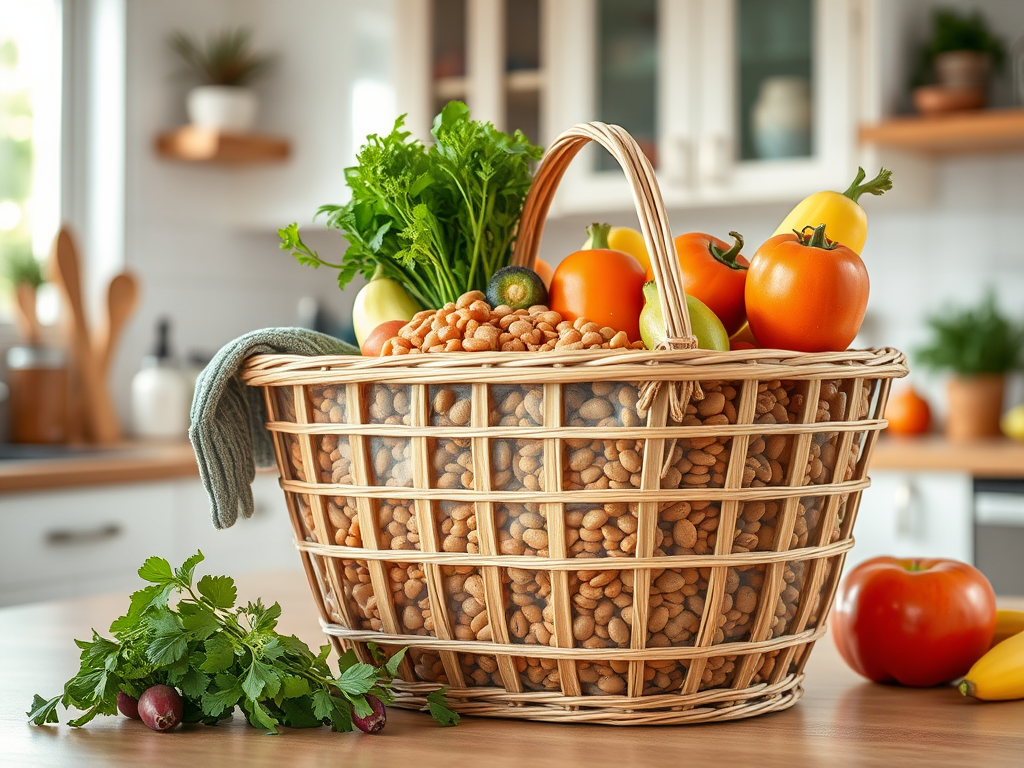
Eating healthy is essential at any age, but for seniors, it becomes even more critical. A nutritious diet can help manage chronic conditions, boost energy, and improve overall well-being. However, with rising food prices, maintaining a balanced diet on a fixed income can be challenging. The good news? Eating well doesn’t have to break the bank. With a little planning and smart shopping, seniors can enjoy nutritious meals without overspending. Here’s how to create cost-effective shopping lists for a healthy senior diet.
Recommended Reading:
Healthy Eating, A Seniors Guide
Helpful Tool:
Weekly Meal Planner
1. Plan Meals Around Budget-Friendly Ingredients
Start by planning meals for the week using affordable, nutritious ingredients. Focus on foods that offer the most nutritional value for the price. Staples like beans, lentils, brown rice, oats, and whole-grain pasta are budget-friendly and packed with nutrients. Incorporate seasonal fruits and vegetables, which are usually cheaper and fresher than out-of-season produce.
Pro Tip:
- Build meals around versatile ingredients. For example, a bag of brown rice can be used in stir-fries, soups, and grain bowls.
- Frozen fruits and vegetables are often less expensive and just as nutritious as fresh options.
2. Stick to a Grocery List
Impulse purchases can quickly add up. To avoid this, create a detailed shopping list before heading to the store. Write down exactly what you need for your planned meals and stick to it. This helps reduce waste and ensures you only buy what you’ll actually use.
Smart Shopping Strategy:
- Organize your list by store sections (produce, dairy, pantry) to save time and stay focused.
- Check your pantry and fridge before shopping to avoid buying duplicates.
3. Buy in Bulk When It Makes Sense
Certain items are more cost-effective when purchased in bulk. Non-perishables, such as whole grains, beans, nuts, and seeds, have a lower price per unit when bought in larger quantities. However, be cautious with perishable foods to avoid spoilage.
Bulk-Buying Tips:
- Split bulk purchases with a friend or family member if storage space is limited.
- Store dry goods in airtight containers to extend shelf life.
4. Choose Generic Brands
Store brands or generic products often have the same quality as name brands but at a lower cost. Items like canned goods, grains, dairy products, and spices can be significantly cheaper without sacrificing taste or nutrition.
Example:
- Opt for store-brand oats instead of name-brand varieties.
- Generic frozen vegetables are usually just as fresh and nutritious.
5. Focus on Nutrient-Dense Foods
Seniors need fewer calories but more nutrients. Prioritize foods rich in vitamins, minerals, and fiber. Eggs, yogurt, canned tuna, leafy greens, sweet potatoes, and nuts are all affordable, nutrient-packed options.
Budget-Friendly Nutrient Powerhouses:
- Eggs: Affordable and rich in protein and essential vitamins.
- Beans and Lentils: Great sources of fiber and protein.
- Canned Fish: Like salmon and sardines, packed with omega-3s and calcium.
6. Embrace Meatless Meals
Meat can be one of the most expensive items on a grocery list. Incorporating plant-based proteins like beans, lentils, tofu, and chickpeas can lower costs while providing essential nutrients.
Meatless Meal Ideas:
- Lentil soup with whole-grain bread.
- Stir-fried tofu with mixed vegetables and rice.
- Chickpea salad wraps.
7. Use Coupons and Loyalty Programs
Don’t overlook coupons and store loyalty programs. Many grocery stores offer discounts through apps, websites, and in-store promotions. Signing up for loyalty cards can also provide access to exclusive deals.
Money-Saving Tips:
- Check weekly flyers for sales on healthy staples.
- Use cashback apps for groceries.
- Combine coupons with sales for maximum savings.
8. Minimize Food Waste
Throwing away food is like tossing money in the trash. Plan meals that use up leftovers and store food properly to extend its life. For example, overripe bananas can be used in smoothies or baking, and leftover vegetables can go into soups or stir-fries.
Waste-Reducing Tips:
- Freeze leftovers for future meals.
- Use “ugly” produce, which is often discounted but perfectly good.
9. Cook at Home More Often
Eating out or ordering takeout is convenient but expensive. Preparing meals at home is not only more affordable but also allows for better control over ingredients and portion sizes.
Simple Meal Prep Ideas:
- Batch cook soups and stews for easy meals throughout the week.
- Prepare overnight oats for quick, nutritious breakfasts.
- Roast a whole chicken and use the leftovers for sandwiches, salads, and soups.
10. Sample Budget-Friendly Shopping List for Seniors
Here’s an example of a one-week shopping list for affordable, nutritious meals:
Grains and Legumes:
- Brown rice (2 lbs)
- Whole-grain bread (1 loaf)
- Rolled oats (1 lb)
- Lentils (1 lb)
- Canned black beans (2 cans)
Proteins:
- Eggs (1 dozen)
- Canned tuna (2 cans)
- Tofu (2 blocks)
- Peanut butter (16 oz)
Fruits and Vegetables:
- Frozen mixed vegetables (2 bags)
- Fresh spinach (1 bunch)
- Apples (4)
- Bananas (6)
- Sweet potatoes (2)
Dairy and Alternatives:
- Low-fat yogurt (32 oz)
- Milk or plant-based milk (1 gallon)
- Shredded cheese (8 oz)
Pantry Staples:
- Olive oil (small bottle)
- Canned tomatoes (2 cans)
- Garlic (1 bulb)
Final Thoughts
Eating healthy on a budget is entirely possible with a little planning and smart shopping. Seniors can enjoy delicious, wholesome meals by focusing on nutrient-dense, affordable ingredients. They should stick to a well-thought-out grocery list to avoid overspending. Small changes can make a big difference in health and finances. Cook at home more often. Choose generic brands. Minimize waste.
Start small. Make thoughtful choices. Remember that every step toward a healthier diet is a step toward a better quality of life.




Leave a Reply