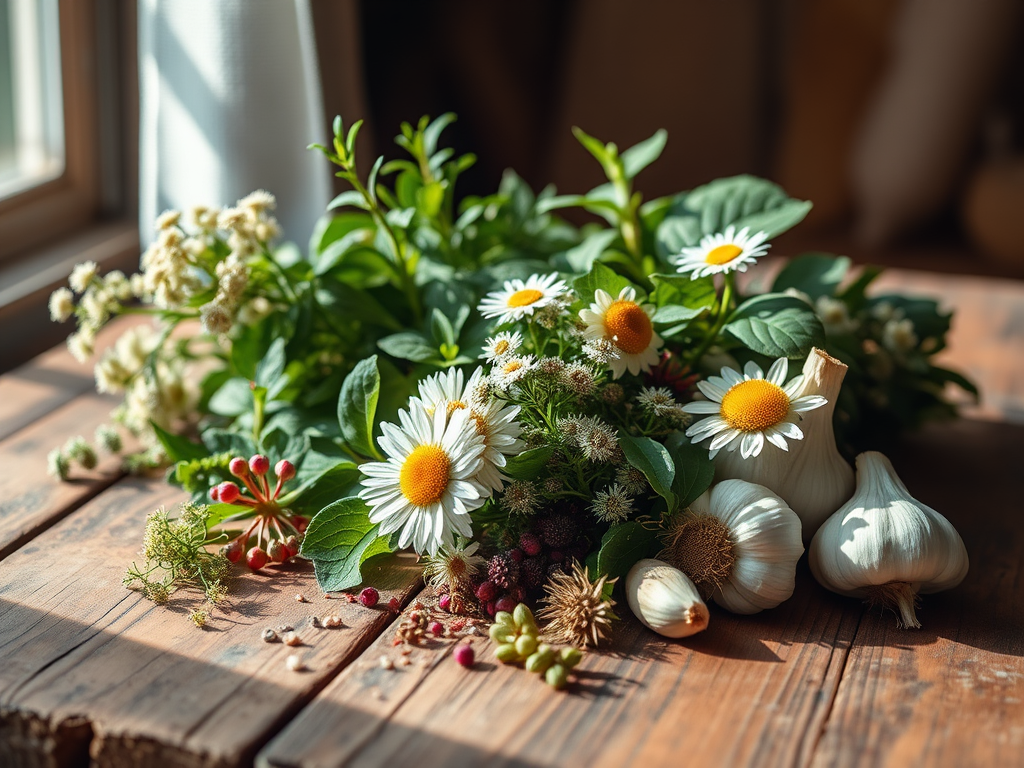
When you’re far from medical help, nature offers a reliable first-aid solution. This is true whether you are on a remote trail, enduring a natural disaster, or living off the grid. Survival herbs, trusted for centuries, provide powerful, natural remedies that predate modern medicine.
In an unpredictable world, learning about herbal self-care is more than just a smart move—it’s empowering. Understanding how survival herbs can support your health and well-being is important. These herbs help you stay resilient and grounded. This is especially true when professional medical help isn’t immediately accessible.
Integrating Herbal Remedies into Your Daily Life(Opens in a new browser tab)
🌿 Why Learn About Survival Herbs?
Imagine this scenario: your child has a fever, and you’re snowed in. Or you’ve sprained your ankle three days into a backcountry hike. When medical help isn’t an option, knowing how to use herbal remedies can make all the difference.
Survival herbs tap into:
- Ancient wisdom
- Holistic healing
- Emergency preparedness
- A mind-body connection that strengthens resilience
The best part is that many of these herbs grow wild in your backyard. This makes them more accessible than a stocked pharmacy.
🧭 Top Survival Herbs to Know (and Love)
These are some of the most essential herbs for any natural first-aid kit. Take the time to learn about them, show them respect, and keep them close at hand.
1. Yarrow (Achillea millefolium)
💪 The wound warrior
- Use for: Cuts, scrapes, bleeding
- How to use: Apply crushed fresh leaves directly to wounds or make a tea for internal use in fevers
- Why it works: Yarrow is antimicrobial and promotes clotting, making it ideal for emergency wound care
2. Plantain (Plantago major or lanceolata)
🌱 Nature’s bandage
- Use for: Insect bites, burns, skin irritation, infections
- How to use: Crush leaves to release the juice and apply as a poultice
- Bonus: Helps draw out toxins from bites or splinters
3. Elderberry (Sambucus nigra)
🛡️ Your immune system’s bestie
- Use for: Viral infections, cold and flu symptoms
- How to use: Boil berries into syrup or tea (never eat raw!)
- Fun fact: Elderberry is a true powerhouse, supporting both brain health and the immune system. Plus, it adds a delicious twist to your supplement smoothies!
4. Chamomile (Matricaria chamomilla)
🌙 Calm in chaos
- Use for: Anxiety, stomach issues, sleep
- How to use: Brew into a calming herbal tea or apply cooled tea bags to inflamed skin or eyes
- Mind-body connection: Chamomile supports emotional resilience, great during stressful survival moments
5. Garlic (Allium sativum)
🔥 The spicy little germ slayer
- Use for: Infections, parasites, cardiovascular health
- How to use: Raw is best (yes, it’s pungent!), but garlic oil or tinctures are also effective
- Extra tip: Combine with honey for a soothing immune boost
6. Echinacea (Echinacea purpurea)
💜 Immune system MVP
- Use for: Infections, sore throat, cold prevention
- How to use: Brew root or leaf into tea or take as tincture
- Why it’s amazing: Stimulates white blood cells and shortens illness duration
7. Ginger (Zingiber officinale)
🌶️ The digestive lifesaver
- Use for: Nausea, inflammation, chills
- How to use: Grate into hot water for a spicy tea or chew dried slices
- Good to know: Excellent for travel sickness or tummy bugs in survival situations
🧰 How to Build Your Herbal First-Aid Kit
Want to be ready for anything? Here’s a basic herbal survival kit checklist:
✅ Dried yarrow
✅ Chamomile tea bags
✅ Elderberry syrup
✅ Garlic capsules
✅ Echinacea tincture
✅ Ginger powder or dried root
✅ Plantain salve
✅ Alcohol or glycerin (for making tinctures)
✅ A meditation or grounding tool (yep, your emotional state matters too!)
Pro tip: Store your herbal first-aid kit in a waterproof pouch with printed instructions. Be sure to include dosage details. Include tips on emotional intelligence to help you stay calm. These tips will keep you focused in challenging situations.
🧠 Survival Herbs and Brain Health
In high-stress situations, maintaining clarity and calm is essential. Herbs like rosemary, lemon balm, and ashwagandha can support memory, mood, and anxiety relief. They help you stay sharp and make smarter decisions when medical help is far away.
If you need to maintain steady energy, consider adding adaptogens like rhodiola or holy basil to your herbal toolkit. These powerful plants help balance cortisol levels and support your body in managing stress effectively.
🌻 Using Herbs Mindfully and Safely
Even though they’re natural, herbs are powerful. That means:
- Start small. Test herbs on your skin or with a small sip.
- Learn to identify plants correctly—mistakes can be dangerous.
- Use self-awareness to monitor reactions and dosage.
- Take a class, read field guides, and label your herbs clearly.
Always remember that some herbs may not be safe for young children or pregnant women. It’s crucial to do your research. Ensure any herbs you use are appropriate for the individual. This is especially important in vulnerable populations.
🌎 When Off-Grid Living Meets Herbal Wisdom
Many preppers, homesteaders, and those embracing a digital detox are already working remotely. They are also eating healthily and practicing holistic wellness in their lives. Learning about survival herbs is a natural next step toward sustainable, empowered living. It’s not just about preparing for the unexpected—it’s about investing in your well-being.
There’s nothing quite as grounding as knowing you can care for yourself. You can also care for your loved ones with nature’s own medicine cabinet.
💬 Final Thoughts: Your Inner Herbalist Is Waiting
Learning about survival herbs isn’t about rejecting modern medicine—it’s about being prepared, empowered, and connected. Whether you’re an entrepreneur seeking freedom, herbs can provide the support you need. They can help a busy parent juggling screen time and colds. They are also useful for someone who wants to know how to handle situations when help is hours away.
Start small—brew a cup of herbal tea, plant some chamomile, or dry your own yarrow. Each step you take builds resilience and self-reliance naturally, one moment at a time.
🌟 Your Call to Action:
Start your herbal journey today!
👉 Pick one herb from this list and learn everything you can about it this week.
👉 Make a DIY remedy and journal how it helps.
👉 Share your knowledge—empower your circle with natural wisdom.
Mother Nature gave us tools. Let’s use them wisely.




Leave a Reply