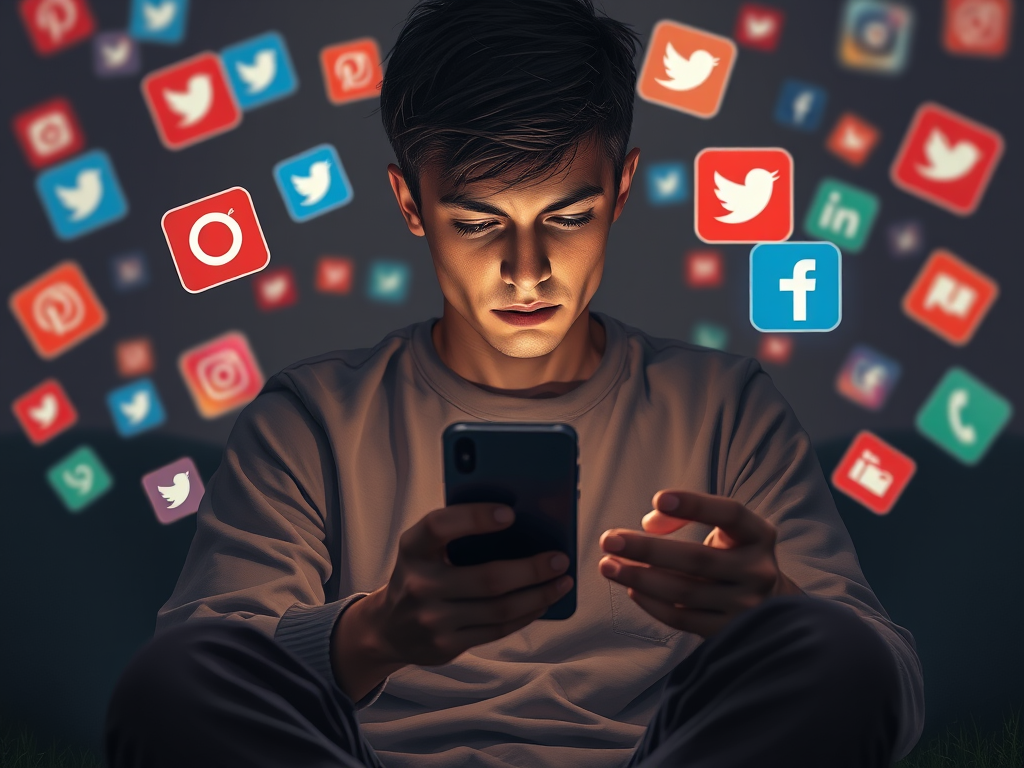
We live in a world where staying connected has never been easier. A swipe here, a like there, and suddenly, we’re plugged into a global network of people, ideas, and endless scrolling. Social media has its perks. It allows us to stay in touch with friends, share milestones, and find inspiration. However, it also has a darker side. For many, it’s becoming a silent contributor to depression.
Let’s take a closer look at how social media impacts mental health. More importantly, let’s explore how we can take back control.
Recommended Reading:
Disconnected: Breaking Free from Social Media Addiction
The Link Between Social Media and Depression
At first glance, social media seems harmless. However, studies have shown a concerning connection between its heavy use and increased rates of depression. This is particularly true among young adults and teens. Why is that?
Here’s what experts say:
- The Comparison Trap
Social media lets us see the highlight reels of other people’s lives. Perfect vacations, happy relationships, dream jobs—it’s all out there. But what we don’t see are the behind-the-scenes struggles. This constant comparison can lead to feelings of inadequacy, envy, and low self-esteem. - FOMO (Fear of Missing Out)
Have you ever scrolled through your feed? It seems like everyone else is living their best life. Meanwhile, you’re stuck in the same old routine. That’s FOMO. It can create anxiety and make you feel like you’re falling behind. - The Dopamine Trap
Social media is designed to be addictive. Every like, comment, or share gives a little burst of dopamine, the brain’s “feel-good” chemical. But just like any addiction, over time, it can leave you feeling empty and craving more validation. - Exposure to Negativity
Social media can expose us to an overwhelming amount of negativity. This exposure ranges from online bullying to doomscrolling through bad news. For some, this constant flood of information can contribute to feelings of hopelessness or helplessness.
Who Is Most at Risk?
While anyone can feel the negative effects of social media, certain groups are more vulnerable:
- Teenagers: Their brains are still developing, making them more sensitive to peer validation and criticism.
- People Already Struggling with Mental Health: Social media can make feelings of loneliness worse. It can also intensify depression in those already battling these issues.
- Heavy Users: Spending hours each day on platforms increases the likelihood of negative impacts.
How to Use Social Media Mindfully
The good news? Social media isn’t all bad. It’s all about balance. Here are some practical tips to protect your mental health:
- Limit Your Screen Time
Set boundaries for how much time you spend online. Many apps now have built-in tools to track and limit usage. - Curate Your Feed
Unfollow accounts that make you feel bad about yourself. Instead, fill your feed with content that inspires and uplifts you. - Take Breaks
Step away from your screen regularly. Use that time to connect with loved ones, enjoy nature, or engage in hobbies. - Focus on Real-Life Connections
Remember, social media is a tool, not a substitute for real-life relationships. Prioritize face-to-face interactions when possible. - Seek Help if Needed
If social media greatly impacts your mental health, reach out to a therapist. Do not hesitate to contact a counselor for support.
A Balanced Perspective
Social media isn’t going anywhere, and it’s not inherently bad. It’s how we use it that matters. We can enjoy the benefits of connection by being mindful of its effects. We should take steps to protect our mental health. This way, we avoid letting it control us.
At the end of the day, it’s okay to step back, log off, and focus on what truly matters—your well-being.
Final Thought
In a world dominated by likes, shares, and retweets, let’s not forget to prioritize our mental health. Your worth isn’t defined by an algorithm, and your happiness shouldn’t depend on a screen.
You’ve got this. 💛




Leave a Reply