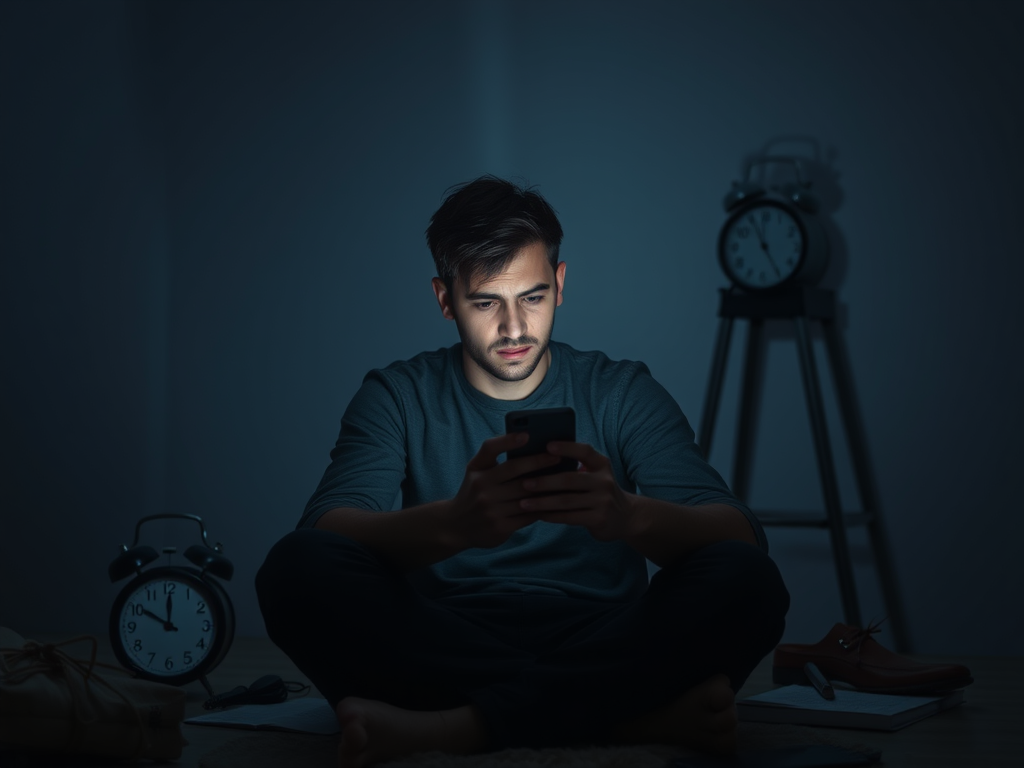
Social media is everywhere. It’s the first thing many of us check in the morning and the last thing we see before bed. For most, scrolling through Instagram is just a casual way to stay in touch. Many use Facebook, TikTok, or Twitter to pass the time. But for some, what starts as casual use can quietly turn into an addiction. Recognizing that shift is crucial to taking back control of your time and mental well-being.
The Line Between Casual Use and Addiction
So, how do you know if your social media habits have crossed the line? It’s not as obvious as with other addictions. After all, social media use is normalized—it’s almost expected. But here are a few red flags:
How Social Media Affects Mental Health(Opens in a new browser tab)
- You feel anxious or irritated without it. If you can’t check your accounts, do you feel on edge? That constant itch to “just see what’s happening” could be a sign of dependency.
- You lose track of time. Ever planned to scroll for five minutes, then realized an hour has passed? Social media platforms are designed to pull you in, but losing control of your time is a major warning sign.
- Your real-life relationships are suffering. Do you find yourself ignoring friends or family because you’re glued to your phone? If your online world is taking priority over face-to-face connections, it’s time to rethink your habits.
- You use it to escape. Whether you’re stressed, bored, or sad, turning to social media for comfort can create a cycle of avoidance and dependence.
- It affects your sleep. If you’re staying up late to scroll, it’s impacting more than just your screen time. Waking up in the middle of the night to check notifications also affects more than just screen time.
Why Social Media Can Be So Addictive
Social media platforms aren’t addictive by accident—they’re designed to keep you hooked. Algorithms show you content you’ll love. Notifications trigger dopamine hits. The fear of missing out (FOMO) keeps you coming back. The more time you spend, the more data they collect and ads they show. It’s a win for them, but not always for you.
The Impact of Social Media Addiction
When social media use becomes an addiction, it can take a toll on your mental health and daily life:
- Increased stress and anxiety. Constant comparison and the pressure to present a “perfect” life can leave you feeling drained.
- Reduced productivity. Time spent scrolling could be used for hobbies, learning, or connecting with loved ones.
- Harm to self-esteem. Seeing everyone else’s highlights can make you feel like you’re falling short.
- Sleep disruption. Poor sleep from late-night scrolling can lead to fatigue, mood swings, and decreased focus.
Recognizing the Shift
The key to recognizing social media addiction is self-awareness. Ask yourself:
- How much time do I spend on social media each day?
- Do I feel better or worse after I use it?
- Am I missing out on real-life experiences because of it?
Tracking your usage with apps like Screen Time or Digital Wellbeing can also provide insight. If the numbers shock you, that’s a good sign it’s time for a change.
Taking Back Control
If you’ve realized social media is taking over, don’t panic. You can regain balance with a few intentional steps:
- Set boundaries. Limit your screen time with timers or schedule “phone-free” hours in your day.
- Turn off notifications. Without constant pings, you’ll feel less tempted to check your phone.
- Find alternatives. Replace scrolling with a book, a walk, or catching up with a friend.
- Detox periodically. Try a weekend or week-long break from social media to reset your habits.
- Seek support. If it feels too overwhelming to tackle alone, consider talking to a therapist or joining a support group.
Conclusion
Social media isn’t inherently bad—it’s how we use it that matters. Recognize the shift from casual use to addiction. This way, you can take steps to protect your mental health. Focus on what truly matters. Start small, stay consistent, and remember: life is happening all around you, not just on your screen.
What changes can you make today to create a healthier relationship with social media? It’s worth taking that first step.




Leave a Reply