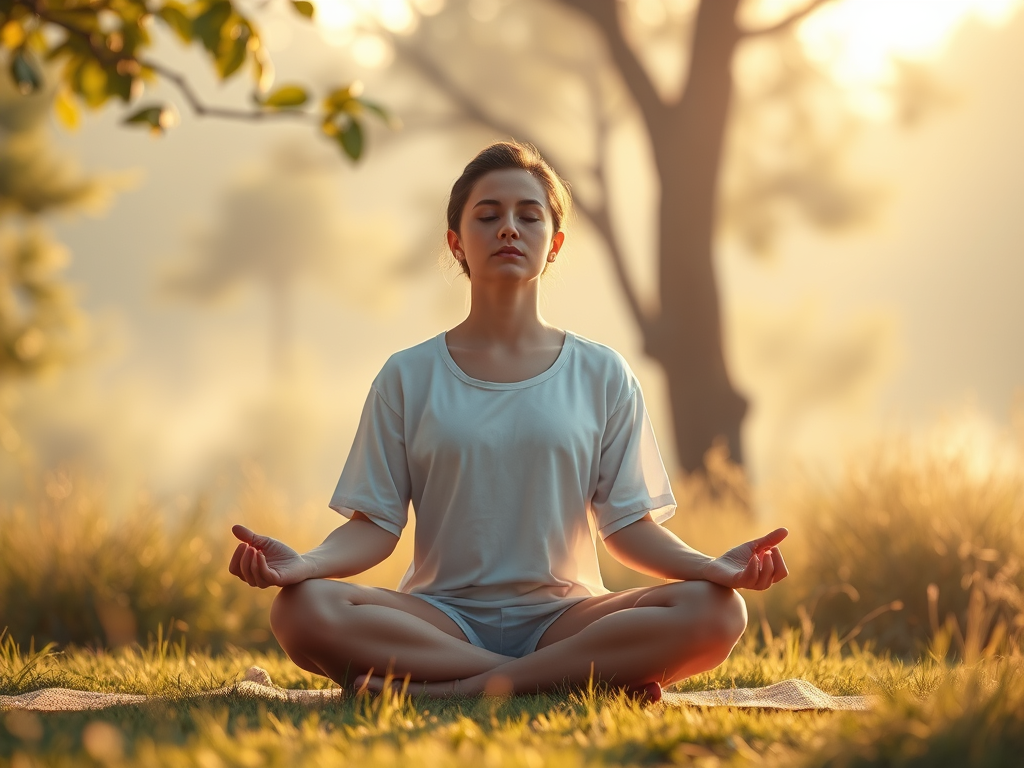
Stress and anxiety have become all-too-common companions in our fast-paced world. Between juggling work, relationships, and personal goals, it’s easy to feel overwhelmed. The good news? Mindfulness can help. You don’t need to be a meditation guru to benefit from mindfulness practices. In fact, some of the most effective techniques are surprisingly simple and can fit into even the busiest schedule.
Recommended Reading:
Mastering Emotional Intelligence
Daily Mindfulness Practice
Let’s dive into a few practical mindfulness techniques you can start using today to take control of stress and anxiety.
1. Start Your Day with Intentional Breathing
Mornings often set the tone for the rest of the day. Before diving into your to-do list, take 5 minutes for intentional breathing.
- How to do it: Sit in a comfortable position. Close your eyes or soften your gaze. Inhale deeply through your nose for a count of four. Hold your breath for a count of four. Then, exhale slowly through your mouth for a count of six. Repeat for 5-10 cycles.
- Why it works: Deep breathing sends signals to your brain that it’s safe to relax. It reduces stress hormones and calms the mind.
How to Soothe Your Mind During Anxiety Attacks(Opens in a new browser tab)
2. Engage in a 5-4-3-2-1 Grounding Exercise
When anxiety strikes, grounding yourself in the present moment can be a game-changer. This technique uses your senses to bring your attention back to the now.
- How to do it:
- Look around and name 5 things you can see.
- Touch 4 things you can feel (like the fabric of your clothing or the texture of your desk).
- Listen for 3 sounds in your environment.
- Identify 2 things you can smell (or imagine smells you love).
- Think of 1 thing you can taste (like coffee, gum, or even just the air).
- Why it works: By focusing on your senses, you interrupt anxious thought patterns and reconnect with your physical surroundings.
3. Practice Mindful Eating
Eating is something we do every day, but often on autopilot. Turning it into a mindfulness practice can help reduce stress and even improve digestion.
- How to do it: Choose one meal or snack to eat without distractions. Pay attention to the colors, smells, and textures of the food. Take small bites, chew slowly, and savor each flavor.
- Why it works: Focusing on the experience of eating helps you enjoy your food more. It also anchors you in the moment.
4. Take a Mindful Walk
Walking isn’t just good for your body—it’s great for your mind too. A mindful walk allows you to move while staying present.
- How to do it: Head outside or find a quiet indoor space. As you walk, notice the sensation of your feet touching the ground. Pay attention to the rhythm of your breathing. Listen to the sounds around you. If your mind wanders, gently guide it back to the act of walking.
- Why it works: This practice combines the benefits of physical activity with mindfulness, making it a powerful stress reliever.
5. Use a Gratitude Journal
Gratitude shifts your focus from what’s stressing you out to what’s going well in your life. This simple practice takes just a few minutes a day.
- How to do it: Each night, write down three things you’re grateful for. They don’t have to be big—a cozy blanket or a kind word from a friend works just fine.
- Why it works: Research shows that practicing gratitude can improve mental health and increase feelings of happiness.
6. Try a Mini-Meditation
If the idea of meditating for 20 minutes feels daunting, start small. Even a minute of mindfulness can make a difference.
- How to do it: Set a timer for one minute. Sit quietly and focus on your breathing. When your mind wanders (and it will), simply notice the thought and return your focus to your breath.
- Why it works: Short, consistent meditations help train your mind to stay present, reducing stress over time.
Why Mindfulness Matters
Stress and anxiety thrive on overthinking and being stuck in the past or future. Mindfulness is the antidote, gently guiding you back to the present moment where calmness resides. The more you practice, the more natural it becomes, and the better equipped you’ll be to handle life’s challenges.
Remember, you don’t have to be perfect at it. Just showing up for yourself and trying is enough. Mindfulness is a journey, not a destination, so be kind to yourself along the way.
Which technique are you excited to try first? Let me know in the comments! 😊



Leave a Reply