In today’s fast-paced world, stress feels like an unavoidable part of life. Work deadlines, family responsibilities, social commitments—it all piles up. You might want a way to manage stress without relying on quick fixes. Mindfulness-Based Stress Reduction (MBSR) could be the answer.
MBSR isn’t just a buzzword. It’s a scientifically backed approach. This approach helps people reduce stress, increase self-awareness, and improve overall well-being. Let’s dive into what it is, how it works, and how you can start using it today.
Recommended Reading:
Daily Mindfulness Practice
Holistic Healing: Natural Remedies for a Healthier You
What Is Mindfulness-Based Stress Reduction (MBSR)?
MBSR is an eight-week program developed by Dr. Jon Kabat-Zinn at the University of Massachusetts Medical School in the late 1970s. It blends mindfulness meditation, body awareness, and yoga to help people manage stress, anxiety, and even chronic pain.
The idea is simple. Rather than getting caught up in stress and negative thoughts, you train your mind to focus on the present moment.
MBSR is used in hospitals, workplaces, and therapy settings worldwide. This proves that mindfulness isn’t just a trend. It’s a powerful tool for mental and physical health.
Simple Mindfulness Techniques to Manage Stress and Anxiety(Opens in a new browser tab)
How Does MBSR Work?
The MBSR program consists of weekly sessions (about 2.5 hours each) and daily home practice for eight weeks. Participants learn different mindfulness techniques, including:
✅ Body Scan Meditation – A practice where you focus on different parts of your body, noticing sensations without judgment.
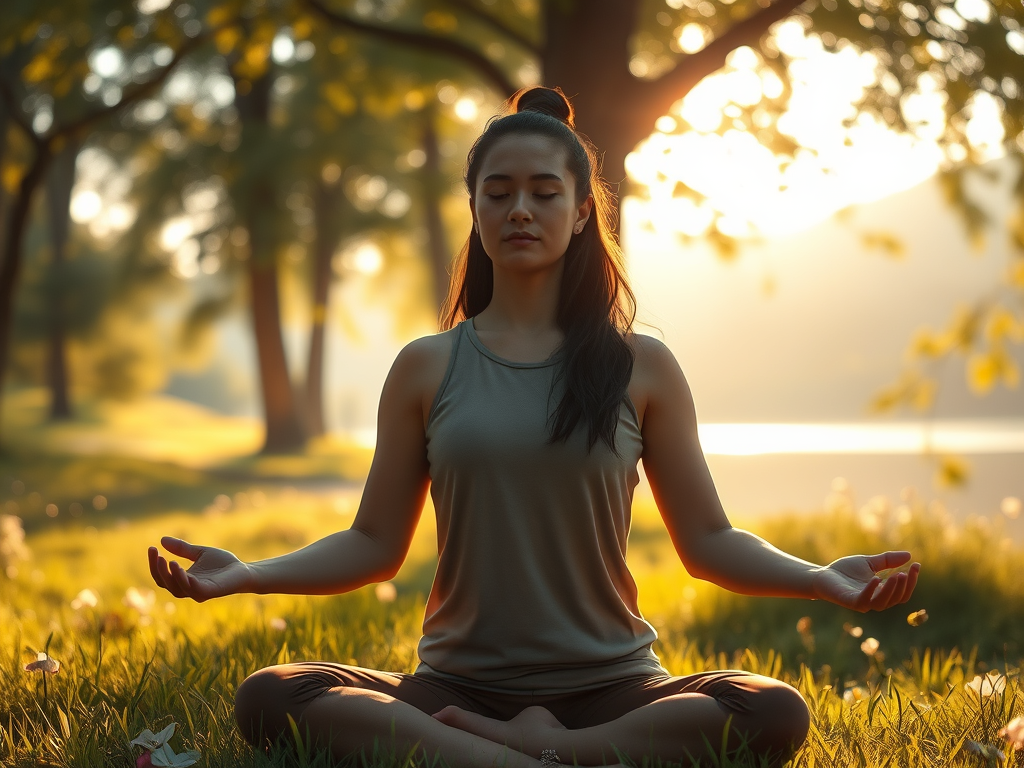
✅ Sitting Meditation – A mindfulness exercise. You sit in a relaxed but alert posture. Focus on your breath, thoughts, and feelings.
✅ Mindful Yoga – A gentle, slow-moving practice that combines yoga poses with mindfulness awareness.
✅ Walking Meditation – A practice where you focus on each step. You feel the connection between your body and the ground.
These techniques train the mind to stay present, helping you break free from stress-triggering thought patterns.
The Science Behind MBSR: Does It Really Work?
Yes! Research has shown that MBSR has real, measurable benefits. Studies suggest it can:
🧠 Reduce stress and anxiety – MBSR helps regulate the amygdala. The amygdala is the brain’s fear center. This regulation makes you less reactive to stress.
💙 Lower blood pressure and improve heart health – Mindfulness can reduce cortisol levels (the stress hormone), benefiting your heart.
😌 Improve focus and emotional regulation – Regular mindfulness practice strengthens the prefrontal cortex, which controls attention and emotional responses.
🛌 Help with sleep problems – Mindfulness reduces racing thoughts and promotes relaxation, making it easier to fall asleep.
💪 Support pain management – MBSR helps individuals cope with chronic pain conditions. It does this by shifting their relationship to pain.
In short, MBSR rewires the brain to handle stress in a healthier way.
How to Start Practicing MBSR Today
You don’t have to take an official course to start reaping the benefits of mindfulness-based stress reduction. Here are some simple ways to bring MBSR into your daily life:
1. Try a 5-Minute Body Scan
Find a quiet place. Close your eyes. Focus on different parts of your body. Start from your toes and move up to your head. Notice any sensations without trying to change them.
2. Practice Mindful Breathing
Set a timer for 2–5 minutes. Breathe in deeply through your nose, hold for a moment, then slowly exhale through your mouth. Focus on each breath, letting go of distractions.
3. Eat Mindfully
Next time you eat, slow down. Notice the texture, taste, and smell of your food. This simple practice can turn mealtime into a stress-relieving experience.
4. Take Mindful Walks
Instead of rushing, walk slowly and feel each step. Notice how your feet connect with the ground, listen to surrounding sounds, and observe the colors and textures around you.
5. Use a Guided Meditation App
If you’re new to mindfulness, try apps like Headspace, Calm, or Insight Timer. They offer great guided MBSR meditations. These can help you stay consistent.
Final Thoughts
Stress isn’t going away, but how you respond to it can change. Mindfulness-Based Stress Reduction gives you the tools to handle life’s challenges with more clarity, calm, and resilience.
Whether you take an official MBSR course or start with small daily practices, the key is consistency. Even five minutes of mindfulness a day can make a difference.
So, why not give it a try? Your mind (and body) will thank you.
Have you tried MBSR or mindfulness practices before? Share your experience in the comments below! 😊👇



Leave a Reply