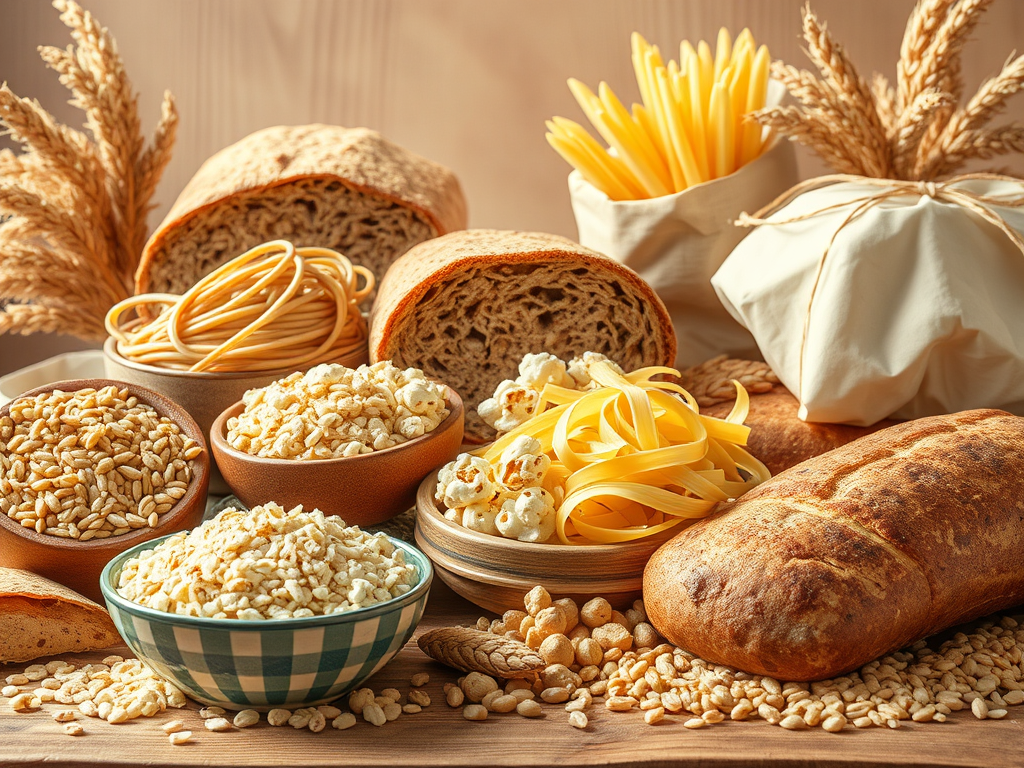
As we age, maintaining a nutritious diet becomes more important than ever. Whole grains are crucial for a healthy diet. They offer essential fiber, vitamins, and minerals. These nutrients support digestion, heart health, and energy levels. However, some seniors worry that eating healthy means spending more money. The good news? It’s absolutely possible to incorporate whole grains into a senior-friendly diet without straining your budget. Here’s how.
Recommended Reading:
Healthy Eating, A Seniors Guide
Helpful Tool:
Weekly Meal Planner
1. Choose Affordable Whole Grains
Not all whole grains come with a hefty price tag. Many budget-friendly options are available that provide the same health benefits as more expensive varieties. Some of the best choices include:
- Brown Rice – A staple grain that’s affordable, easy to prepare, and versatile.
- Oatmeal – Rolled oats are excellent sources of fiber. Steel-cut oats also provide great fiber. They can be bought in bulk at a low cost.
- Whole Wheat Bread – Often priced similarly to white bread, but much more nutritious.
- Popcorn – A fun, whole-grain snack that’s far cheaper than pre-packaged snacks.
- Whole Wheat Pasta – Provides more fiber and nutrients than white pasta, often at the same price.
- Barley and Bulgur – Lesser-known but highly nutritious grains that are both inexpensive and filling.
Healthy Cooking Tips for Seniors on a Budget(Opens in a new browser tab)
2. Buy in Bulk and Store Properly
Purchasing whole grains in bulk is one of the easiest ways to cut costs. Many grocery stores and warehouse clubs offer bulk options for brown rice, oats, and whole wheat flour. To ensure freshness, store grains in airtight containers in a cool, dry place. If you have extra space, freezing grains can extend their shelf life even further.
3. Cook at Home Instead of Buying Pre-Packaged Foods
Packaged “whole grain” products, such as cereals or granola bars, often come with a higher price tag and added sugars. Instead, make your own versions at home. For example:
- Cook a big batch of oatmeal and portion it out for the week instead of buying flavored instant packets.
- Make homemade granola with oats, honey, and nuts instead of buying store-bought varieties.
- Prepare whole wheat muffins or bread at home, saving money while avoiding preservatives.
4. Swap Out Expensive Ingredients for Whole Grains
Whole grains can replace costlier ingredients while keeping meals nutritious and filling. Try these swaps:
- Use brown rice instead of expensive quinoa.
- Replace some of the meat in soups or casseroles with barley or bulgur to stretch the meal.
- Swap out white pasta for whole wheat pasta without adding extra cost.
5. Plan Meals Around Whole Grains
Planning meals with whole grains as a base can save money while ensuring balanced nutrition. Some easy, budget-friendly ideas include:
- Oatmeal with fruit and nuts for breakfast
- Brown rice and beans for a protein-packed lunch
- Vegetable stir-fry with whole wheat pasta for dinner
- Homemade popcorn for a healthy, affordable snack
6. Look for Sales and Use Coupons
Many grocery stores offer discounts on staple foods like brown rice, oats, and whole wheat bread. Keep an eye on weekly sales and consider using coupons to reduce costs even further. If a favorite whole grain item is on sale, stock up and store it for later.
7. Visit Local Farmers’ Markets and Discount Stores
Farmers’ markets often have locally grown whole grains at competitive prices. Discount grocery stores and ethnic markets also carry affordable bulk grains. These include rice, lentils, and whole wheat flour. They are available at lower prices than mainstream supermarkets.
8. Incorporate Whole Grains Gradually
If whole grains are new to your diet, start by making small changes rather than overhauling meals overnight. Try mixing brown rice with white rice or using half whole wheat flour in baking recipes. Over time, your taste buds will adjust, making whole grains a regular and enjoyable part of your diet.
Final Thoughts
Eating healthy doesn’t have to mean spending more money. With a little planning and smart shopping, seniors can enjoy the benefits of whole grains without breaking their budget. By choosing affordable options, buying in bulk, and cooking at home, you can keep your meals nutritious, delicious, and cost-effective.
Would you like some easy whole-grain recipes to get started? Let me know in the comments! 🍞🌾




Leave a Reply