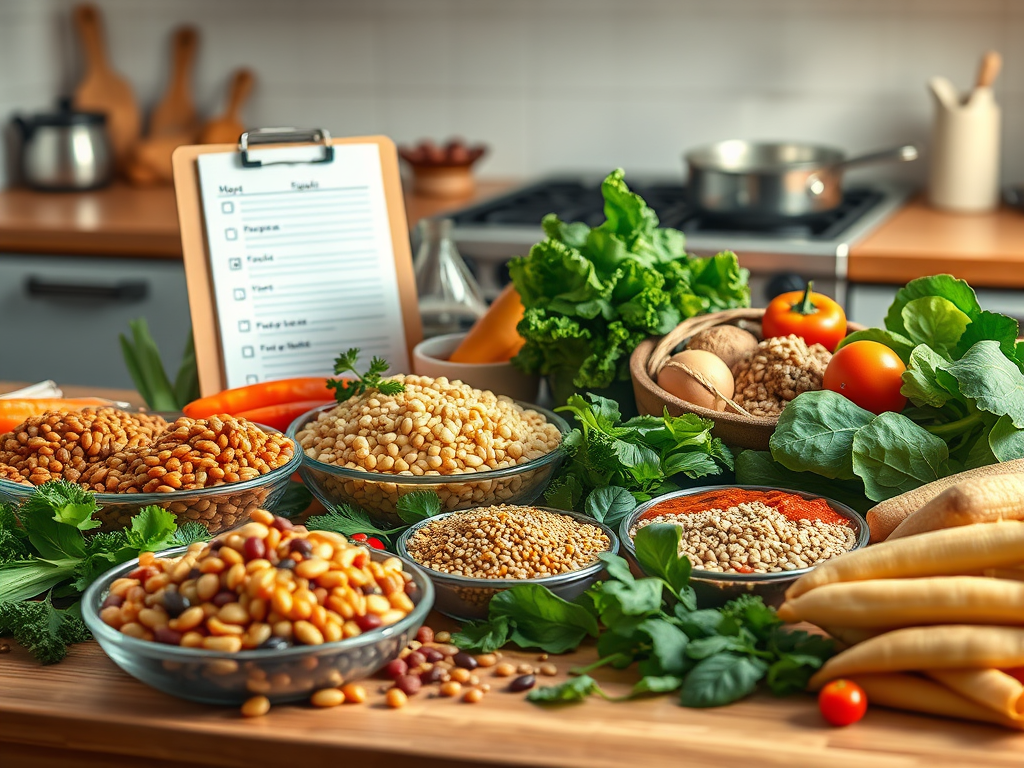
Eating well doesn’t have to cost a fortune. This is especially true if you’re cooking for yourself or a loved one as a senior. Home-cooked meals offer the comfort of knowing what goes into your food. They’re almost always more affordable than eating out. Plus, you can tweak recipes to suit personal taste and dietary needs. Let’s explore some budget-friendly techniques for creating healthy, senior-friendly meals that don’t skimp on nutrition or flavor.
Budget Meal Planning for Seniors(Opens in a new browser tab)
Helpful Tool:
Weekly Meal Planner
1. Start with a Plan
One of the easiest ways to save money is to plan your meals. A little preparation goes a long way toward cutting costs and reducing food waste.
- Make a weekly menu: Choose recipes that use overlapping ingredients, like spinach for both salads and stir-fries.
- Stick to a shopping list: Write down exactly what you need before hitting the store to avoid impulse buys.
- Batch cooking: Plan meals that can be made in large portions and stored for later. Soups, stews, and casseroles are great examples.
2. Prioritize Whole, Affordable Ingredients
Processed foods often come with extra costs and less nutrition. Instead, focus on whole ingredients that are versatile and nutrient-packed.
- Beans and lentils: Inexpensive, protein-rich, and great in soups, salads, or as a meat substitute.
- Frozen fruits and vegetables: Just as nutritious as fresh and often cheaper, with a longer shelf life.
- Whole grains: Brown rice, oats, and quinoa provide long-lasting energy and are very affordable.
3. Look for Senior-Specific Nutritional Needs
As we age, our nutritional requirements change. Seniors often need more calcium, fiber, and vitamins but fewer calories. Keep these tips in mind:
- Calcium-rich foods: Low-fat dairy, fortified plant-based milks, or leafy greens like kale.
- Fiber boosters: Add whole grains, beans, and plenty of vegetables to maintain digestive health.
- Flavor without salt: Seniors may need to limit sodium. Use herbs, spices, and citrus to brighten dishes naturally.
4. Cook Smarter, Not Harder
Keeping things simple is key to cooking on a budget, especially if energy levels are a concern.
- One-pot meals: Cut down on prep and cleanup with dishes like chili, stir-fry, or pasta primavera.
- Sheet pan dinners: Roast veggies and proteins together for a complete meal with minimal effort.
- Use kitchen gadgets: Slow cookers, pressure cookers, or even a basic blender can save time and effort. They open up a world of recipes.
5. Shop Smart
Knowing where and how to shop can make a huge difference in your grocery bill.
- Buy in bulk: Look for staples like rice, beans, or oats in bulk sections. They’re cheaper and reduce packaging waste.
- Choose store brands: Often just as good as name brands but at a fraction of the cost.
- Check sales and coupons: Take advantage of discounts, especially for items you can freeze or store for later.
6. Make the Most of Leftovers
Don’t let leftovers go to waste! With a little creativity, yesterday’s dinner can become today’s lunch.
- Transform leftovers: Roasted chicken can become chicken salad, and cooked veggies can be tossed into a frittata.
- Freeze extras: Divide large meals into single portions and freeze them for quick, no-fuss meals later.
- Soup it up: Combine leftover vegetables, grains, and proteins with broth for a hearty, budget-friendly soup.
7. Simple, Senior-Friendly Recipes to Try
Here are a few ideas to get you started:
- Vegetable Stir-Fry: Sauté mixed veggies in a little oil, add garlic, ginger, and soy sauce, and serve over brown rice.
- Hearty Lentil Soup: Combine lentils, diced vegetables, and broth in a pot, and let it simmer until tender.
- Oven-Baked Chicken Thighs: Season with your favorite spices, roast with potatoes and carrots, and enjoy a delicious, one-pan meal.
Final Thoughts
Cooking at home on a budget doesn’t have to be a chore. With a little planning, you can create nutritious meals. These meals will be delicious and meet the needs of seniors. You can accomplish this without stretching your wallet. Remember, the key is to keep things simple. Rely on affordable staples. Maximize what you already have in your pantry.
So roll up your sleeves and get cooking—your wallet and your taste buds will thank you!




Leave a Reply