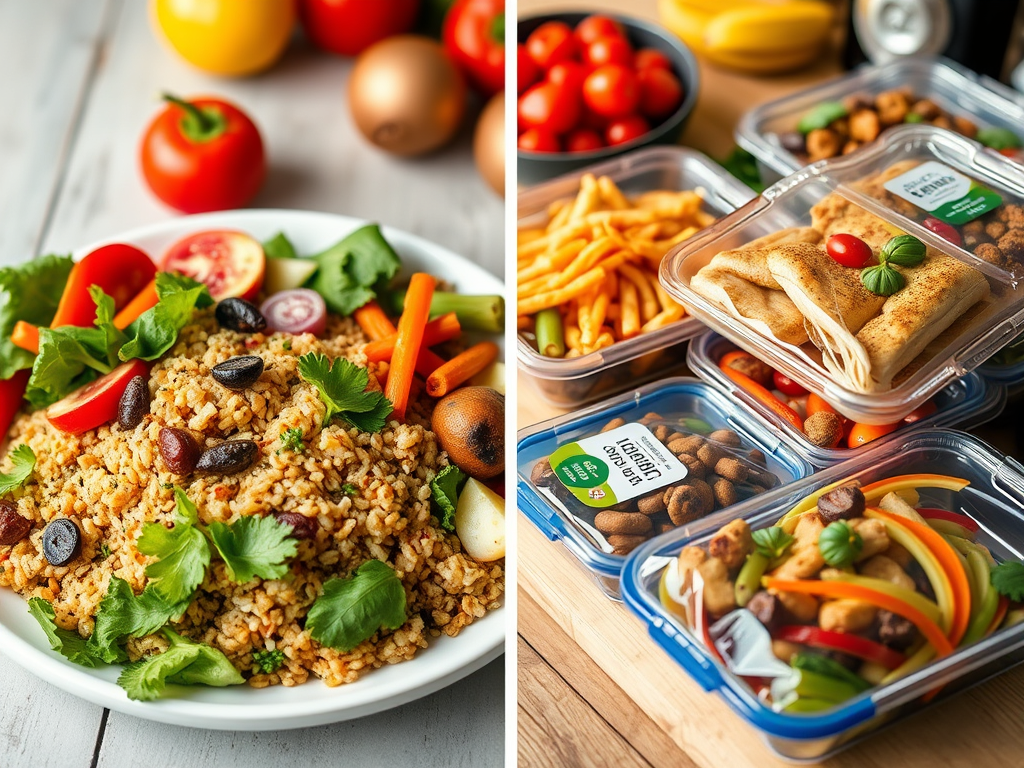
Eating well is essential at any age. For seniors, maintaining a healthy diet can be the key to staying active and independent. At the same time, food costs continue to rise, making budgeting for nutritious meals more challenging. Many seniors face a common dilemma. Is it cheaper and healthier to cook at home? Or is store-bought food more convenient and cost-effective?
Let’s break down the pros and cons of both options while exploring practical ways to save money and eat well.
Healthy Cooking Tips for Seniors on a Budget(Opens in a new browser tab)
The Cost Factor: Cooking at Home vs. Buying Pre-Made Meals
Cooking at home is often the most budget-friendly option. Ingredients like rice, beans, fresh vegetables, and lean proteins can be bought in bulk and prepared in various ways. On the other hand, store-bought meals include frozen dinners, deli items, or pre-packaged foods. These often come with a higher price tag due to processing and packaging costs.
Homemade Meals: The Savings Advantage
- Buying raw ingredients in bulk reduces costs per serving.
- Cooking at home allows better portion control, reducing food waste.
- Simple meal prepping can provide multiple meals for the week.
- You avoid the added cost of preservatives and artificial ingredients found in many packaged foods.
Store-Bought Foods: The Convenience Factor
- Ready-to-eat meals save time and effort.
- No need to plan recipes or spend time cooking.
- Some frozen meals can be cost-effective if purchased on sale.
- Store-bought options might be useful for seniors with mobility issues.
The biggest takeaway? While convenience is appealing, the long-term cost savings of home cooking are undeniable. Even occasional home-cooked meals can lead to significant financial benefits.
Health Benefits: What’s Really in Your Food?
The health differences between homemade and store-bought meals are striking. When cooking at home, you control the ingredients, ensuring that meals are lower in sodium, sugar, and unhealthy fats. Packaged and restaurant foods, however, often contain high amounts of preservatives, artificial additives, and excess calories.
Why Homemade Meals Are Healthier
- Less Sodium: Many store-bought meals contain high levels of salt, which can raise blood pressure.
- Fewer Preservatives: Processed foods often contain artificial ingredients that may not be beneficial for long-term health.
- More Nutrients: Freshly prepared meals retain more vitamins and minerals than processed foods.
- Portion Control: Cooking at home allows you to manage serving sizes, reducing overeating.
That’s not to say that all store-bought foods are unhealthy. Many grocery stores now offer pre-cut vegetables. They also offer lean proteins and healthier frozen options. These can be part of a balanced diet. The key is reading labels carefully and choosing wisely.
Time and Effort: Finding the Right Balance
Some seniors may find cooking at home too physically demanding. Others enjoy the process. They appreciate the sense of accomplishment it brings. If cooking every day seems overwhelming, consider a hybrid approach:
- Batch Cooking: Make large portions and freeze meals for later use.
- Simple Recipes: Focus on meals with minimal ingredients and easy preparation steps.
- Healthy Store-Bought Staples: Keep frozen vegetables, canned beans, and whole grains on hand for quick meal assembly.
- Meal Delivery Services: Some seniors qualify for meal programs like Meals on Wheels, which provide affordable and nutritious options.
By mixing homemade and store-bought options strategically, you can balance health, budget, and convenience.
Budget-Friendly Tips for Healthy Eating
Saving money while eating healthy doesn’t mean sacrificing flavor or quality. Here are some practical tips:
- Buy in Bulk: Purchase staple items like oats, rice, and beans in larger quantities.
- Use Seasonal Produce: Fruits and vegetables are cheaper and fresher when they’re in season.
- Plan Meals Ahead: Avoid impulse purchases by planning your meals for the week.
- Shop Smart: Look for sales, discounts, and coupons to save money on groceries.
- Cook Once, Eat Twice: Prepare extra portions to freeze or use for leftovers.
Conclusion: The Best Choice for Your Lifestyle
When it comes to homemade vs. store-bought meals, the best choice depends on your personal health needs, budget, and lifestyle. Cooking at home is the most cost-effective option. It is also the most health-conscious. However, store-bought foods can be a helpful supplement when chosen wisely.
By finding a balance between home cooking and convenient store-bought options, seniors can enjoy nutritious meals while keeping expenses low. Small changes, such as cooking at home a few times a week, can greatly improve health. Choosing healthier pre-made options can also boost finances.
At the end of the day, the goal is simple: Eat well, stay healthy, and enjoy every meal.




Leave a Reply